
Three years after the dramatic police raids that were meant to expose an unprecedented corruption network inside the European Parliament, the so-called Qatargate affair appears increasingly fragile. What was presented in December 2022 as a decisive blow against foreign influence—allegedly orchestrated by Qatar, Morocco, or Mauritania—now risks collapsing under the weight of procedural flaws, questionable methods, and unresolved evidence.
At the heart of the case were highly publicized arrests: former Italian socialist MEP Pier Antonio Panzeri; his longtime assistant Francesco Giorgi; and Eva Kaili, a Greek MEP and vice-president of the European Parliament.

Images of suitcases filled with cash circled the globe, reinforcing the narrative of a vast criminal organization corrupting European democracy. But three years later, the judicial outcome remains uncertain, and the foundations of the investigation itself are being openly challenged.
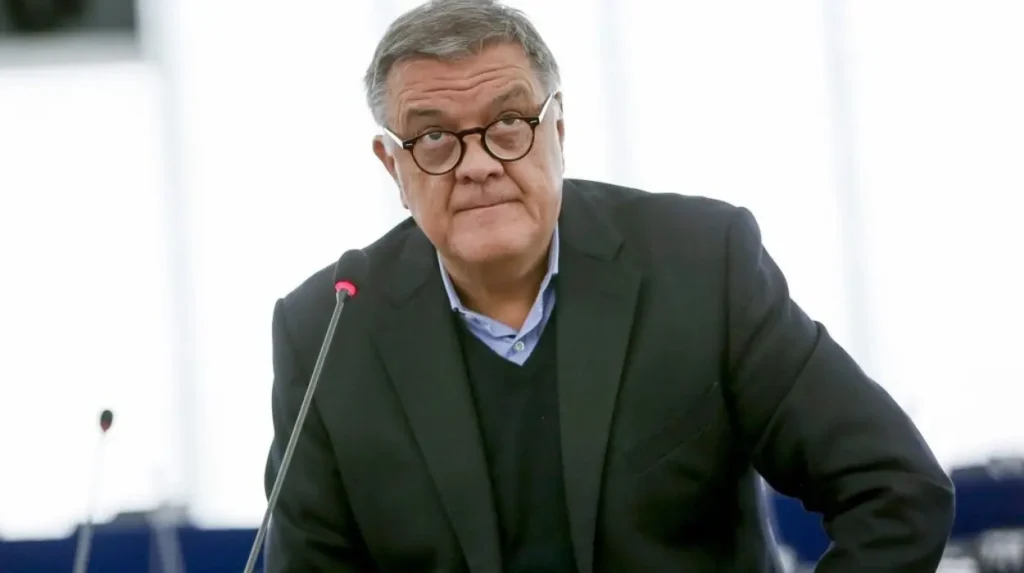
Media, Police, and Justice: An Unusual Proximity
Documents now reviewed by the Brussels Court of Appeal reveal a troubling degree of coordination between investigators, prosecutors, and selected journalists. Well before the first police raids, senior police officials reportedly met discreetly with reporters from Le Soir and Knack. Draft articles were shared in advance of searches and arrests, including sensitive details such as the identities of suspects and the scope of police operations.

This proximity raises a central question: were journalists merely well informed—or were they integrated into a communication strategy designed to maximize public impact? The leaks were so precise that even senior police officials later admitted surprise at seeing exact figures published before seized cash had been officially counted.
A Case Built on Leaks
From the very beginning, Qatargate unfolded in the press almost in real time. Confidential interrogation records, search warrants, and investigative hypotheses found their way into headlines, nearly all pointing in the same direction: guilt. Over two years, this steady drip of leaks shaped public perception long before any trial could take place.
In response, an internal investigation was launched in 2023 by Belgium’s police oversight body. It led to the arrest and judicial supervision of Hugues Tasiaux, head of the anti-corruption unit overseeing the case. Other key figures—including senior prosecutors—were questioned as witnesses. The inquiry suggests that leaks were neither isolated nor accidental, but systemic.
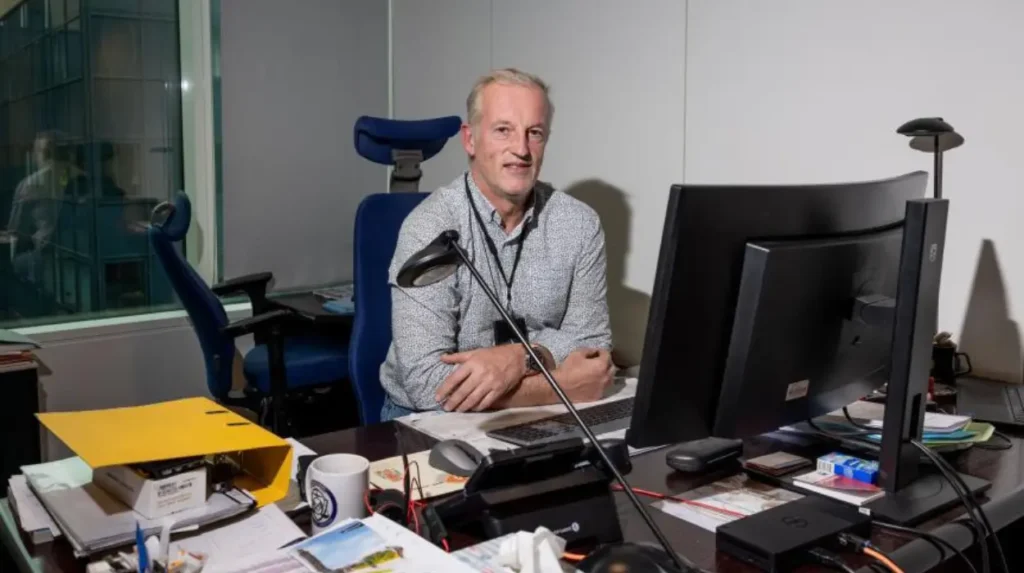
Evidence That Never Fully Materialized
Despite the scale of the operation, investigators have failed to prove the existence of a structured criminal organization. No direct payments from Panzeri to several of the accused MEPs have been demonstrated. Files involving alleged Moroccan and Qatari intermediaries have been closed. Greek and Italian judicial authorities have also dropped related proceedings due to lack of evidence supplied by Belgium.
Even Panzeri’s own statements—central to the prosecution’s case—are increasingly contested. Initially, he described undeclared lobbying activities and admitted to tax fraud and money laundering, but denied corrupting anyone. Only later, after learning that his wife and daughter had been arrested in Italy, did he change his story, implicating others in exchange for leniency. His status as a “repentant” was granted swiftly, though never formally validated by a court.
Procedural Errors and Ethical Fault Lines
The investigation is also marred by serious procedural missteps. Panzeri was questioned without proper legal assistance. Key suspects were held together in detention, allowing them to coordinate narratives. An investigator was later sanctioned after secretly recorded remarks revealed deep skepticism about Panzeri’s credibility—comments that did not alter the course of the case.
Meanwhile, the investigating judge initially in charge was forced to withdraw due to a conflict of interest, and several senior judicial figures involved in launching Qatargate have since been reassigned to other posts. The reshuffling has only fueled suspicions of institutional discomfort surrounding the case.
From Qatargate to “BelgianGate”?
As the Brussels Court of Appeal now examines whether the investigation itself was lawful, the possibility of a broad dismissal looms. A fair trial, critics argue, may no longer be possible after years of one-sided leaks and media exposure.
What was announced as a historic reckoning for corruption in Europe risks becoming a cautionary tale about overreach, media orchestration, and the fragility of judicial credibility. Whether Qatargate ultimately confirms the existence of a hidden corruption network—or instead exposes deep failures within Belgian justice—remains to be seen.
The ruling expected in the coming months may determine not only the fate of the defendants, but also whether this affair will be remembered less as Qatargate than as “BelgianGate.”
This article is a rewritten analysis based on reporting originally published by Jean Quatremer in Libération